
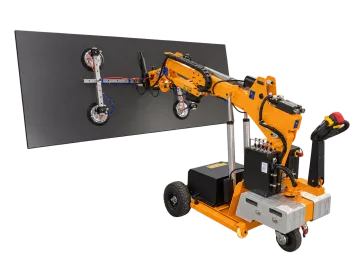
WSR-400MINI
WSR-400MINI Wheeled Glass Installation Robot
- Maximum rated load
- 400 kg; working-position limits apply
- Drive
- Battery / electrohydraulic
Equipment family
Compare wheeled and tracked glass robots by access dimensions, load, height and positioning functions. Review load charts and complete model PDFs.
Glass lifting robots combine travel and pane positioning in one machine. Choose from the access route and the required installation position; maximum capacity, maximum height and maximum outreach are separate limits.
Filters include documented loads and overlapping conditional ranges. A range does not guarantee its upper value for every workpiece. Check material, seal, orientation and complete configuration.
WSR-400MINI
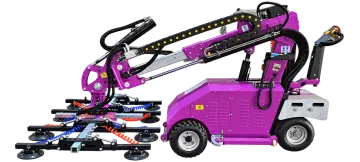
WSR-500OR
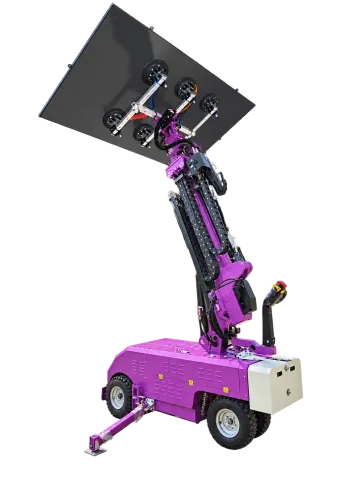
WSR-600XR
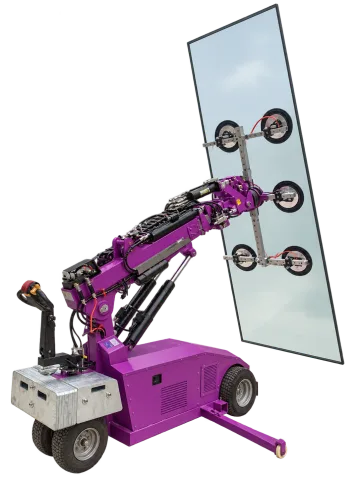
WSR-800L
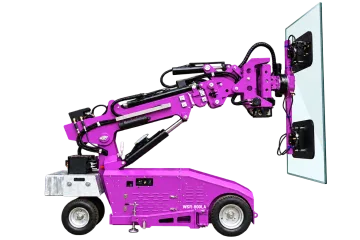
WSR-800LA
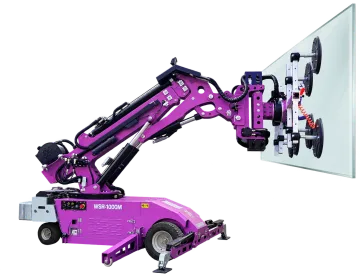
WSR-1000M
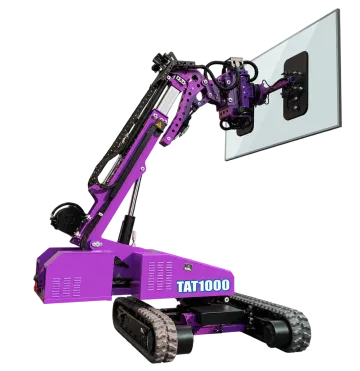
TAT 1000
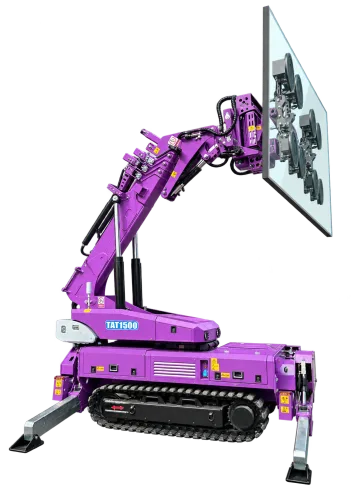
TAT 1500
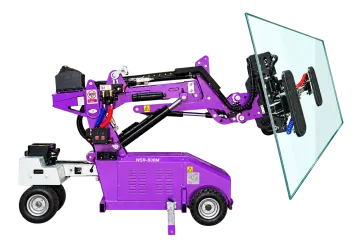
WSR-600M
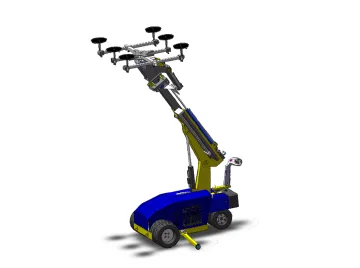
ET-GR-LEG-800S
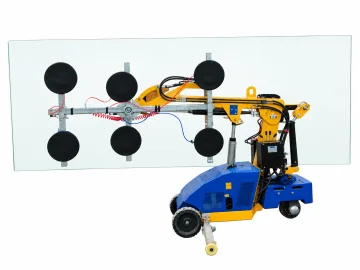
ET-GR-LEG-400S
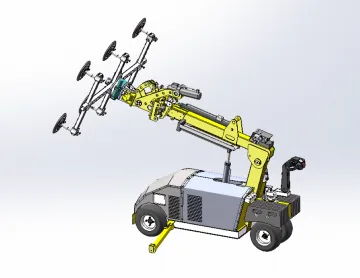
ET-GR-LEG-600
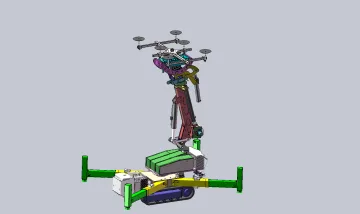
ET-GR-LEG-ST800
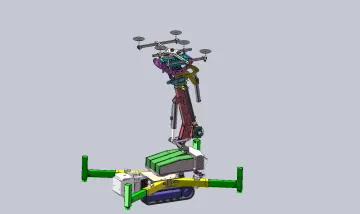
ET-GR-LEG-ST1500
Try a shorter model name or clear the load filter.
Model / configuration | Maximum rated load | Maximum lifting height | Minimum overall dimensions | Equipment weight |
|---|---|---|---|---|
400 kg | 3200 mm | 1298 × 730 × 1852 mm | 815 kg | |
500 kg | 3500; 5000 optional mm | 2575 × 800 × 1417 mm | 1136 kg | |
600 kg | 5000 mm | 3147 × 800 × 1517 mm | 1686.5 kg | |
800 kg | 4600 mm | 3100 × 880 × 1620 mm | 1925 kg | |
800 kg | 4600 mm | 3235 × 880 × 1620 mm | 2190 kg |
WSR-500OR lists a 3,500 mm height with 5,000 mm optional. WSR-600XR lists 5,000 mm. These numbers do not identify the permissible load at that height; use the corresponding load chart and attachment setup.
Model | Headline data | Review before selection |
|---|---|---|
1,000 kg; 5,000 mm maximum height; illustrated folded width 1,298 mm. | Folded state, installed attachment and approach/turning clearance. | |
1,000 kg; 6,150 mm maximum height; 3,000 kg equipment weight. | Track setup, leveling conditions, attachment and load chart. | |
1,500 kg; 8,660 mm maximum height; 7,110 kg equipment weight. | Transport, bearing conditions, setup space and working envelope. | |
600 kg multifunction machine with vacuum head, fork and winch options; 70 m winch wire rope. | 3,800 mm maximum height in vacuum-pad/fork modes; 70 m is winch rope length, not hook height. Check each attachment envelope. |
Compare the drive of each movement individually. WSR-400MINI lists powered lift, extension, rotation, tilt and side shift, with manual side turn. WSR-800LA lists additional powered vertical shift and side turning. Wireless versus wired controls also differ by model. These details affect operator access and the final alignment sequence.
The ST800 record specifies approximately 2,500 kg equipment weight excluding 500 kg counterweights. These are transport/setup quantities, not a payload. The ST1500 record separately lists 1,500 kg retracted, 400 kg extended and an 800 kg vacuum-head figure. Every applicable limit must be satisfied by the chosen setup.
Learn how to read the load chart
Compare a robot with a suspended frame
No. Include the pane, attachments, height and turning sweep, not just chassis width.
No. Gradeability and operating permissions are configuration-specific. Obtain the prescribed travel, setup and lifting conditions for your route.
Send pane details, minimum openings and turn geometry, floor/ground information, pickup point and final installation height/setback. Identify the attachment, required fine movements and unloading/transport constraints.
LET’S DEFINE YOUR APPLICATION
Tell us what you lift, where it moves and how it needs to arrive.