
1. Agree the equipment and commercial scope
Start with the model or handling task, workpiece details, required movements and installation conditions. The quotation should identify the configuration, accessories, utilities, documents, acceptance checks, price, payment terms and delivery scope. Warranty coverage, its start date and any exclusions belong in the agreed commercial terms.
Confirm the Incoterm and named place, who books freight, who arranges insurance and who handles import clearance. A delivery date or lead time depends on the accepted configuration and order; use the written quotation rather than an assumed website promise.
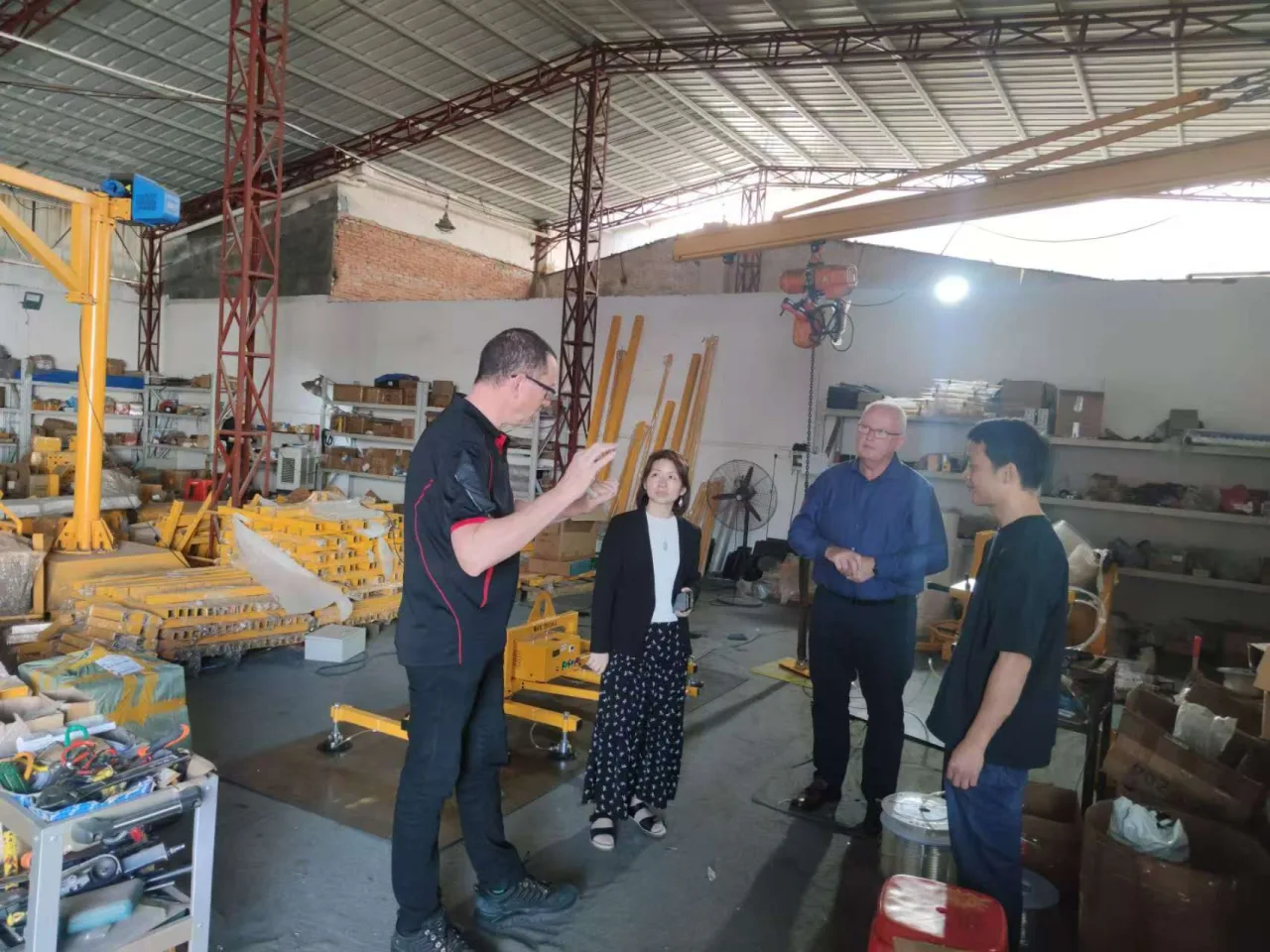
2. Complete the agreed acceptance checks
Our shipment workflow calls for Easytech acceptance before packing. Depending on the order, this can use a test video, inspection report or an agreed on-site check. Match the evidence to the machine and configuration, including the identifying model and serial number. Record unresolved items before authorizing shipment.
Plan the inspection and document scope
3. Identify and protect the equipment
Equipment identification includes the model and serial number, with the relevant load and warning labels. The shipment workflow also calls for the operating manual and parts or material list. The packing arrangement must protect the equipment and any separately packed accessories.
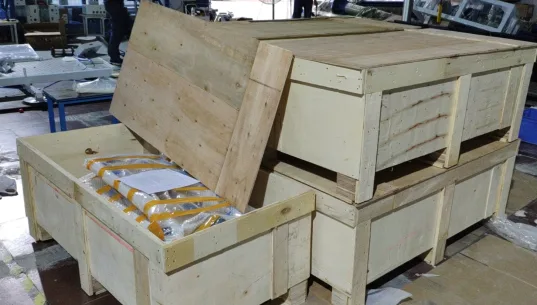
The packing record includes actual outer dimensions and gross and net weights. Confirm the crate material and any destination-specific treatment or marking requirements with the order; freight planning must use the finished package measurements.
4. Keep a photographic handover record
- Before packing: equipment and accessories ready for packing.
- Before closing the crate: internal protection and arrangement.
- After closing: the finished package and its shipping marks.
- At loading: the packages being handed over for transport.
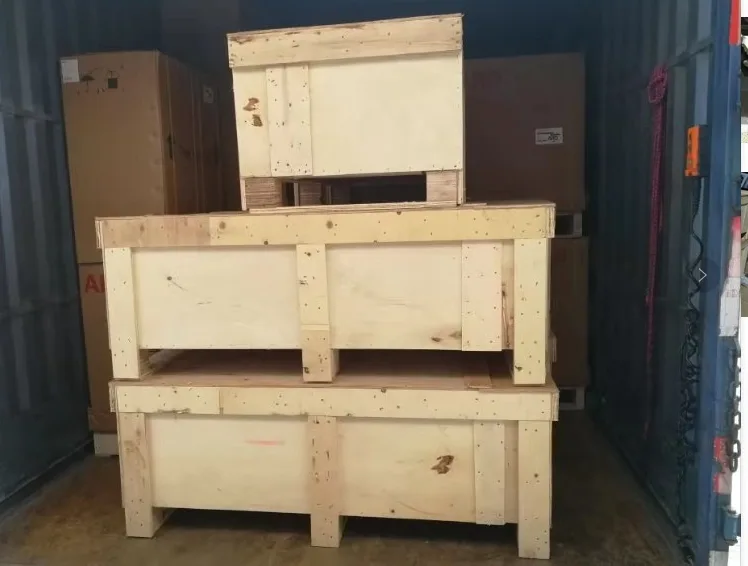
5. Match documents to the shipment
The documented workflow covers shipping marks, packing list and commercial invoice, together with export/customs and warehouse handover arrangements. Transport documents and, where applicable, a certificate of origin depend on the route and agreed transaction.
- Check the consignee, delivery details and contact information.
- Match package counts, dimensions, weights and shipping marks across the relevant documents.
- Confirm which originals or electronic copies your broker needs before dispatch.
- Keep the model, serial number, order reference and handover documents together for future support.
6. Prepare for arrival and commissioning
Plan unloading equipment, access, storage and installation responsibilities before arrival. Check the delivered packages and contents against the packing list, and record transport damage with photographs before handling the matter with the responsible parties. Operate and maintain the equipment using the instructions supplied for the exact configuration.