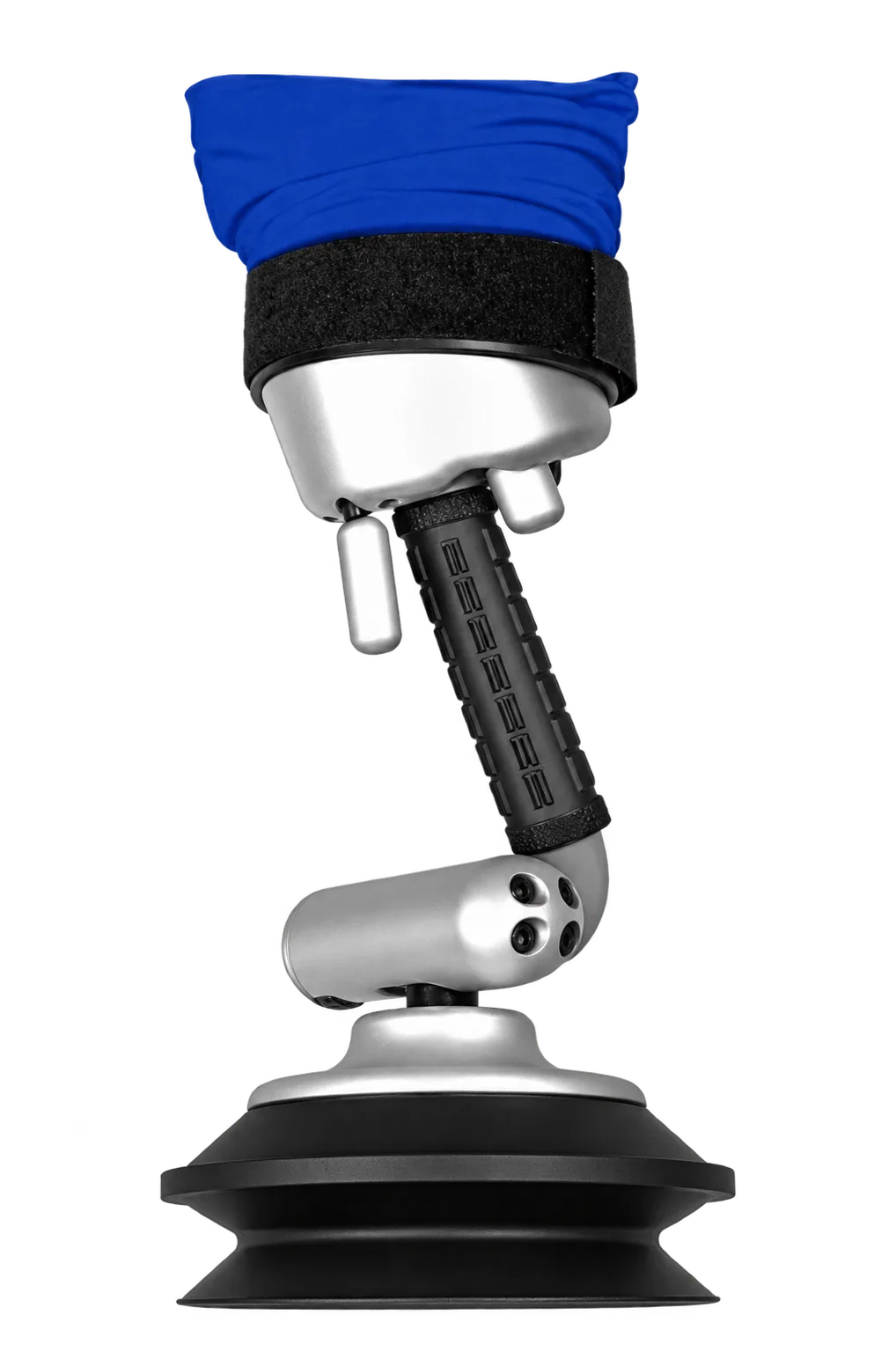
Build a part-identification record
Start with the machine model, serial number and the installed assembly. Photograph the part in place before taking close-up photographs of its markings and connections. Distinguish the complete suction cup from a replaceable seal, mounting adapter or control valve.
Part | Useful identification details |
|---|---|
Cup or sealing ring | Outer and sealing dimensions, profile, mounting hole/thread, material marking and lifting surface. |
Hose or fitting | Internal diameter, length, connection, routing and printed specification. |
Filter | Housing and element identification, dimensions, connection and service condition. |
Valve or control handle | Connection arrangement, actuation, function and machine identification. |
Gauge or alarm | Measurement range, connection and specified alarm function for the equipment. |
Separate a replacement from a configuration change
A like-for-like approved spare restores a defined assembly. A larger cup, different seal material, longer hose or different pump changes the system and needs a compatibility review. Do not increase the machine rating because a replacement looks larger or its individual component rating is higher.
The Easytech component range includes vacuum indication, valves, quick-change interfaces and control handles. Some components do not touch the workpiece and do not have a meaningful independent lifting rating. Compare their system function and interface instead of requesting an invented kilogram capacity.
Diagnose the symptom before ordering
Record whether vacuum does not build, drops after contact, or varies with a particular batch of workpieces. Include readings and the sequence of events. A sealing problem, leakage path and an unsuitable workpiece can produce similar symptoms, so replacing a pump without identifying the cause can leave the fault unresolved.
Confirm the replacement scope
- Obtain the exact replacement identification and any approved substitute in writing.
- Confirm whether the order contains the seal alone or the cup, adapter and fasteners.
- Follow the machine-specific replacement and return-to-service procedure.
- Retain the part identification and service date with the equipment record.
Examples where similar parts are not interchangeable
Easytech records | Published distinction | What to send |
|---|---|---|
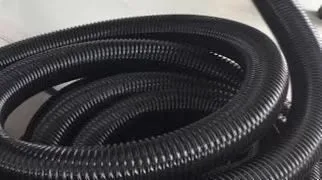
Supply hose: 32 / 52 mm options, 10 m supply length. | Connection, inside diameter and source-to-machine routing. | |
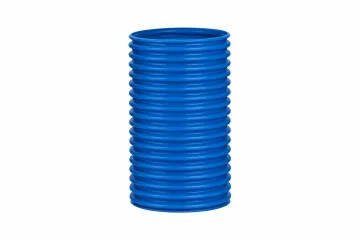
Lifting tube: 100–300 mm catalog diameter range. | Installed lifting unit, tube length and end connections. | |
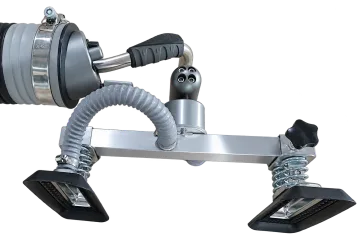
Twin box head: two 85 × 200 mm pads and 45 kg application load. | Carton face, host unit and complete head interface. | |
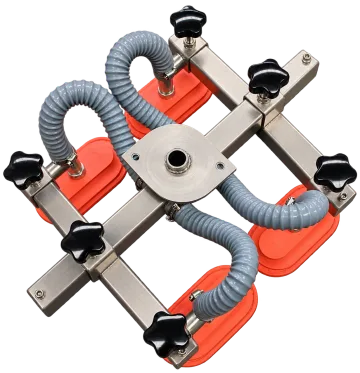
Four-pad quick-change head: four 140 × 70 mm pads. | Flange and locking details as well as workpiece contact. |
The supply hose and lifting tube perform different jobs. A quick-change flange also needs its matching locking and vacuum connection. A replacement quote should identify exactly which assembly is being supplied, with a photograph or drawing tied to that part.
Continue your equipment review
Understand theoretical suction force · Report low vacuum · Browse components
Questions for this equipment decision
Which details affect a replacement vacuum-part quotation?
Part specification, material, interface, quantity and equipment compatibility determine the quotation.
How do I identify a compatible replacement suction pad or sealing ring?
Send the equipment and part identification, photographs, dimensions, mounting connection, material and operating conditions. Include profile and seal details where available. A matching nominal diameter alone does not prove compatibility, load capability or suitability for the surface being handled.
How should a pump or blower be matched to a porous workpiece?
Compare required airflow and achievable vacuum against the workpiece leakage, filtration and electrical or air supply. Porous material may demand a different source and contact arrangement from smooth sheet. Compressed-air inlet pressure, such as 0.6–0.8 MPa, is not a negative-vacuum rating. Assess the complete system rather than choosing a larger pump by name.
Which filter, hose and valve details are needed when diagnosing vacuum loss?
Provide the machine model, vacuum readings, alarm, hose dimensions and length, connections, filter identification and valve details. Describe whether the problem changes with the workpiece and what maintenance preceded it. Diagnosis should follow the system instructions; removing filtration or fitting a larger pump is not a general remedy.
What evidence is needed before changing a suction head or quick-change coupling?
Check the connection’s permitted load, locking arrangement, vacuum or air interface and the weight and geometry of the replacement head. Each head can change the usable load and contact pattern. Request the approved combination and the corresponding operating limits before making the change.