Identify the lifting face
Photograph the actual face to be gripped, including joints, grooves and finishes. Record whether it is polished, sawn, textured or porous, and whether moisture or dust changes during work. Name the stone or concrete product rather than describing all loads simply as slabs.
Workpiece condition | Selection issue |
|---|---|
Polished, airtight face | Pad seating and supported geometry still need to match the slab. |
Textured or rough face | The sealing arrangement must accommodate the actual profile. |
Porous concrete or stone | Leakage and vacuum-source capability require a representative trial. |
Thin or long slab | Deflection and support distribution can govern the arrangement. |
Small paver | Confirm the minimum available contact area and placement clearance. |
Choose the handling format
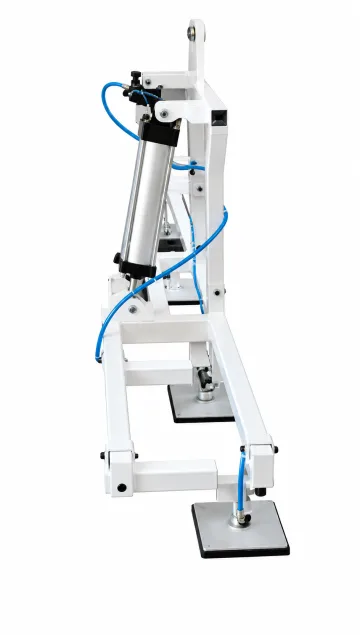
Handheld grips, mobile paving equipment and crane-suspended lifting frames have different intended uses. State whether the task is assisted manual positioning, transfer with a machine, or suspended lifting. Do not connect a handheld grip to lifting machinery unless its documented design permits that arrangement.
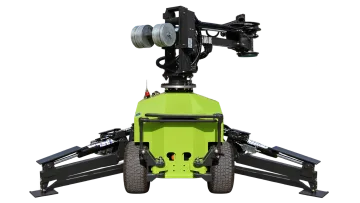
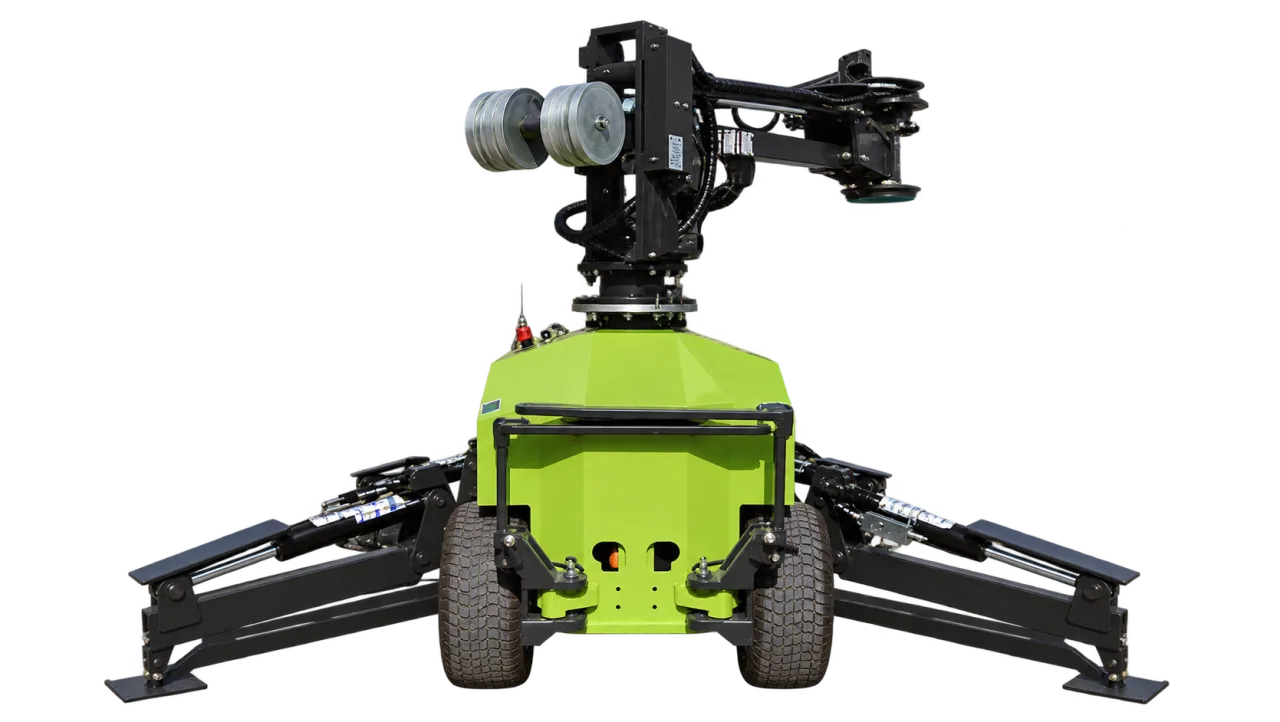
For the Easytech paving cart, use 150 kg as the specified handling capacity. Do not advertise 200 kg as a general lifting rating based on the support-leg position. Confirm the intended operating arrangement for the particular workpiece.
Make the surface trial representative
Supply samples spanning the surfaces you actually purchase, including the most difficult permitted finish. Record the selected pad, source, orientation and workpiece. Acceptance should cover pickup, required movement, placement and release under the agreed conditions.
A successful test on one clean sample does not establish an identical result on dusty, wet or more permeable material. Define the accepted material and surface range in the quotation and operating documents.
Prepare placement information
- Slab/paver length, width, thickness, weight and contact-face photographs.
- Pickup arrangement, delivery height and laying pattern.
- Required edge clearance and whether the load must rotate or tilt.
- Ground/access information for mobile equipment and the supporting machine if used.
- Representative samples and agreed inspection/acceptance records.
Three tasks that should not share one load assumption
Task | Example | Boundary |
|---|---|---|
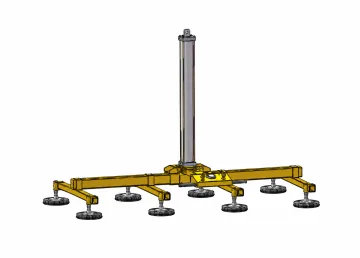
Horizontal workshop transfer | 300 kg, six Ø200 mm pads; no tilting capability stated. | |
Tilting a slab | 500 kg with eight 200 × 400 mm pads and pneumatic 90° tilting. Check clearance for the slab and frame through the required orientation change. | |
Placing individual paving units | 150 kg handling; the separate 600 kg fork mode is not a vacuum rating. |
Use the samples to distinguish sealing difficulty from through-material leakage. Show the face, edge and construction; retain the selected head/source and accepted material range with the trial record. A smooth appearance alone does not prove that a slab is airtight.
Continue your equipment review
Stone and paving equipment · Paver handling · Handheld grip limits
Questions for this equipment decision
What affects the price of a stone or paving lifter?
Pad design, vacuum supply, lifting frame or cart, material testing and transport requirements affect the price.
Can polished stone, textured pavers and porous concrete use the same lifting pad?
Polished stone, textured paving units and porous concrete have different sealing and leakage characteristics. A pad that grips a smooth slab may not suit a rough or permeable unit. Provide samples or representative surface details for assessment with the proposed pad, seal and vacuum source. Confirm the handling direction and complete-system rating.
What load rating should buyers use for the paving cart?
Use 150 kg as the rated load when selecting the paving cart. Also provide the paving unit dimensions, surface condition, pickup height, placement position and site route so the configuration can be assessed for the task.
What site information is needed for vacuum paver placement?
Describe the paving unit size, weight, surface and porosity, together with the pickup location and placement pattern. Show access routes, slopes, ground condition, gaps and any restricted space. Check the operating conditions and movements of the selected cart or lifting device rather than assuming every paving product suits the same site.
How should stone dust, moisture and worn foam seals be handled?
Inspect seals and filtration according to the equipment instructions, especially where dust, moisture or abrasive particles are present. Report damaged, hardened or worn sealing surfaces and use the correct replacement part. Cleaning agents and replacement intervals depend on the seal material, filter and service conditions; there is no single interval for all stone-handling equipment.