Identify the grip format
Distinguish a hand-carried vacuum cup from a portable lifting device intended for a specified machine connection. Similar pad shapes do not establish the same intended use. Read the individual model specification and operating instructions before selecting an attachment method.
Condition | What to confirm |
|---|---|
Smooth airtight surface | Approved contact area, cleanliness and handling direction. |
Rough or porous surface | Model-specific surface suitability and representative material test. |
Wet, dusty or coated face | Whether that condition is included in the documented use. |
Narrow or shaped workpiece | Full pad seating and room to control the handle/release. |
Several grips or operators | The complete handling method; do not simply add handle ratings. |
Read the configuration behind the model name
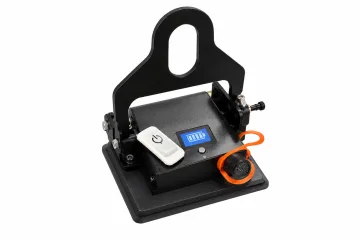
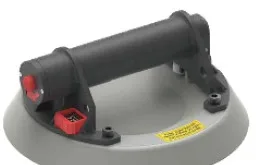
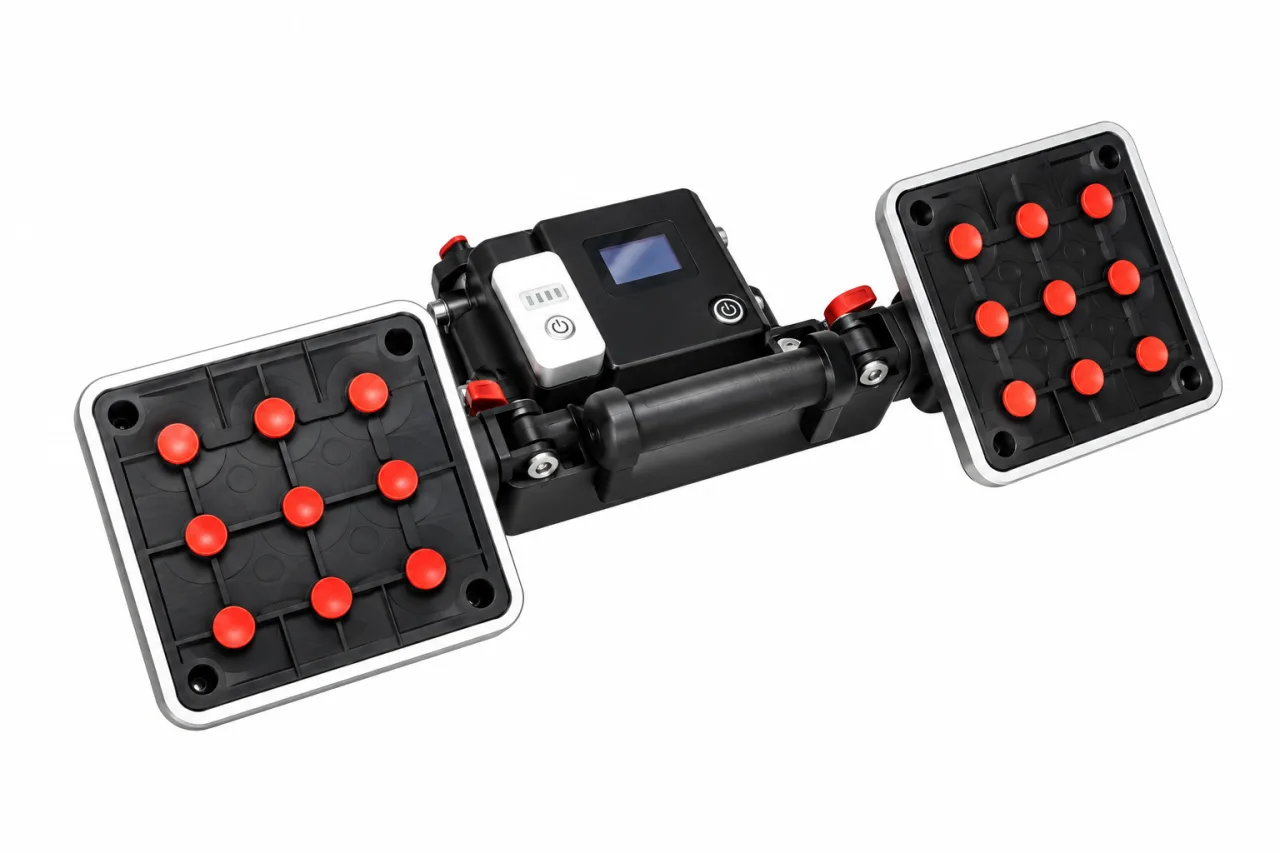
The Easytech range includes an 8-inch electric handheld cup and a separate single-pad portable lifter sharing the ETJSZ-N100 model text. They are different product records with different documented configurations. Select by the equipment name, specification and intended use, not the code alone.
Compare vacuum indication, alarm information, supply and release control where they are documented. A product image shows the arrangement but cannot establish a working rating for a different surface or orientation.
Prepare the contact face and handling plan
Follow the model instructions for surface preparation, pad inspection, gripping and release. Identify where the load will be supported before release and whether the operator can maintain access to the control. Remove a device from use when its condition or indication does not meet the prescribed requirements.
What to send for selection
- Workpiece material, dimensions, weight and photographs of the actual contact face.
- Handling direction and whether the task is manual positioning or machine-assisted lifting.
- Surface variation, texture, moisture and any coating or film.
- Required quantity and the proposed handling arrangement.
- Exact model/configuration for any replacement or repeat order.
Resolve the shared ETJSZ-N100 name before ordering
Model / configuration | Recommended horizontal suction load | Pad / panel dimensions | Battery | Net equipment weight |
|---|---|---|---|---|
120 kg | 8 in | 3.7 V DC / 5000 mAh lithium battery | 0.9 kg | |
200 kg | 260 × 260 mm × 1 | 12 V DC / 4500 mAh lithium battery | 3 kg |
The handheld 8-inch cup and the rectangular single-pad unit are separate products. Copy the full description and pad dimensions into the enquiry. The stated horizontal suction-load values are not a published vertical or overhead-lifting approval.
Make the smallest contact face part of selection
A larger pad may not fit a narrow workpiece or may bridge a recess. Photograph the actual face and mark the usable continuous area. Include the operator’s access to the handle and release; a pad that fits geometrically can still be awkward to position or withdraw.
Continue your equipment review
Handheld vacuum equipment · Stone and paver surfaces · Vacuum spare-part identification
Questions for this equipment decision
Which details affect the handheld lifter package?
Cup design, surface capability, battery equipment and replacement seals affect the package.
How should a handheld vacuum lifter be matched to smooth and textured surfaces?
Check the model’s permitted surfaces, curvature, available contact area and load directions. Smooth and textured workpieces may require different seals or may be unsuitable for a particular cup. A handheld vacuum cup is not automatically a crane-suspended lifting attachment. Assess the complete intended handling arrangement.
What should users do when a handheld vacuum cup gives a low-vacuum or battery warning?
Follow the instructions for the specific cup to bring the workpiece to a safe condition and stop using equipment that cannot maintain its required grip. Record the warning, battery state and seal condition. Do not assume an alarm permits continued carrying or that every model has the same reserve operating time.
When should handheld cup seals and battery components be replaced?
Identify the cup model and exact seal or battery component. Inspect for the damage and wear conditions described in the manual and obtain a compatible replacement. Seal material, profile, battery type and electrical interface matter. Household suction-cup repair methods do not establish an acceptable repair for industrial handling equipment.
What should a buyer verify for multi-cup manual glass handling?
Verify the permitted gripping direction and workpiece surface for each cup and assess how the load will actually be shared. Include workpiece geometry, handling positions and coordination of the movement. Simply adding individual cup ratings does not establish the capacity of the complete manual handling arrangement.