Which part of the task is difficult?
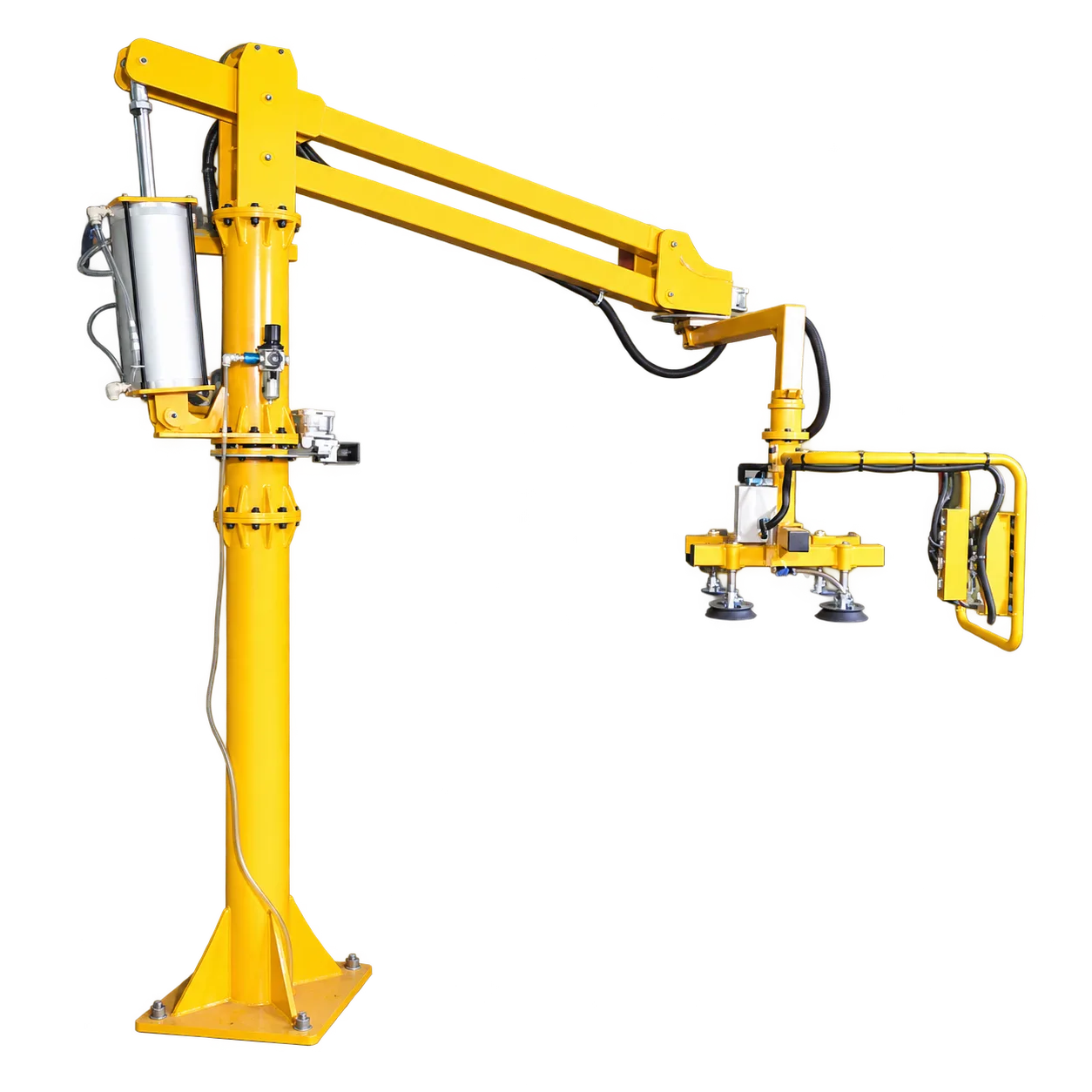
Separate vertical lifting from reaching, resisting an offset load, turning and accurate placement. A system that raises the load easily may still leave the operator managing swing or an awkward turning movement. Describe those operations before choosing the device name.
Equipment format | Useful comparison point | Question for the proposed configuration |
|---|---|---|
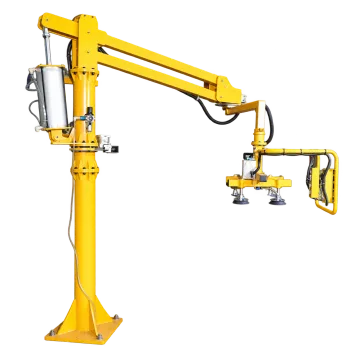
Rigid-arm manipulator | An arm and end tool guide the load within a defined envelope | Can the approved tool and arm handle the required offset and rotation? |
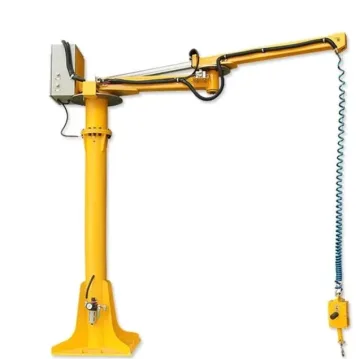
Cable-supported lifting device | The suspended load can be positioned within its allowed movement | How are swing, orientation and placement controlled? |
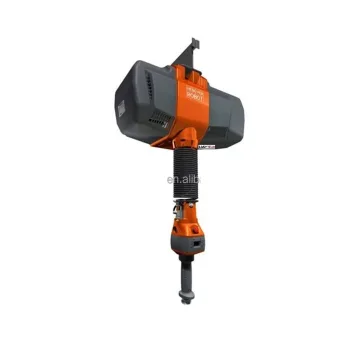
Intelligent lifting device | Operator input and available positioning functions | Which control, variable-speed or float functions are actually documented? |
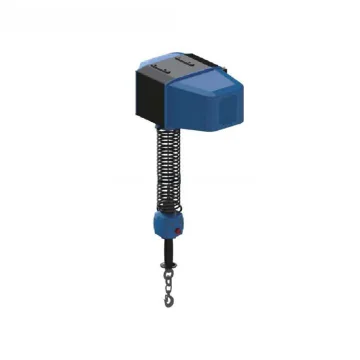
Electric hoist | Powered lifting through a defined lifting arrangement | What travel, speed, duty and controls are supplied for this job? |
Treat the end tool as part of the machine
The arm rating is not a complete proposal for a drum, reel, sheet or assembly. Define the grip interface, tool weight, centre-of-gravity offset and any turning motion. Request an assembly drawing that shows how the workpiece is held at pickup and placement.
A configuration must also explain the behaviour on loss of supply and the approved release sequence. Do not infer these functions from a similar-looking machine or from the term “balanced”.
Use a task trial to compare operator control
- Start and stop the transfer with a representative load, following the supplied operating procedure.
- Check access to controls and visibility at the lowest and highest working points.
- Include the most constrained placement and any required change in orientation.
- Record the proposed attachment, utility conditions and relevant settings.
- Assess the complete cycle rather than comparing an unloaded arm movement.
Decide with a complete scope
Compare equipment, gripper, mounting, supply, installation interfaces and handover requirements in one table. Keep any unconfirmed positioning tolerance, cycle time or duty requirement as an acceptance question; do not treat it as a performance figure.
Compare real Easytech functions before comparing claims
Example | Documented function | Decision still to resolve |
|---|---|---|
100 kg fixed-column rigid-arm format; 500–2,500 mm working radius. | Tool and offset handling at the actual fixture. | |
100 kg column cable balancer; 1,500 mm stroke. | Orientation control with the proposed tool. | |
100 kg with assisted float mode. | The precise control behavior and placement acceptance. | |
125 kg up/down electric hoist without float mode. | Whether the supplied speed and control fit alignment. |
A tool can make a large difference to the operator’s task even when two devices have similar capacities. Compare all options with the same gripper and part, or explicitly record what differs. Otherwise an easy demonstration may come from a different grip rather than the lifting mechanism.
Continue your equipment review
Intelligent balancer versus hoist · Custom manipulator quotation · Industrial manipulators
Questions for this equipment decision
What affects the cost of a complete lift-assist system?
Custom grippers, arm reach, mounting, turning functions, controls and application testing are major cost factors.
When should buyers choose a rigid-arm manipulator instead of a cable balancer?
Compare load orientation, centre-of-gravity offset, turning requirements and obstacles along the movement path. A rigid arm and a cable-supported device constrain and guide the load differently. Include the end effector, mounting arrangement and utilities in the assessment. Select a complete handling solution rather than comparing only headline load ratings.