Define what the operator needs to control
Record the load range, tool weight, pickup and placement heights, and the last part of the placement movement. State whether the operator uses a handle, pendant or another specified control, and what needs to happen during careful alignment.
Comparison point | Intelligent lifting device | Electric hoist |
|---|---|---|
Operator input | Check the documented control and response functions. | Check the supplied control and available movement commands. |
Fine placement | Ask which positioning functions are included and under what conditions. | Check whether the supplied speed/control arrangement suits placement. |
Float or balancing function | Only treat it as available when specified for the model. | Do not assume it from powered lifting alone. |
Tool and suspension | Include end-tool weight and the permitted connection. | Include hook/tool connection and required support. |
Supply loss and release | Review the exact load-retention and operating instructions. | Review the exact brake/retention and operating instructions. |
Test the same load and position
Compare devices using the same tool, workpiece and travel envelope. Include the lowest pickup, highest placement and any constrained alignment. Observe operator access to controls and the visibility of the placement point. A no-load speed comparison does not show how the completed task will feel or perform.
Keep performance inputs explicit
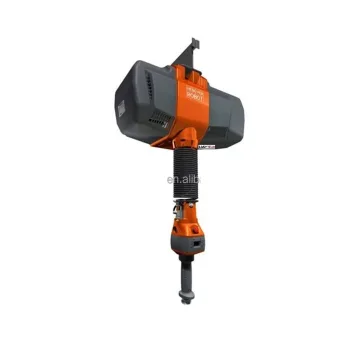
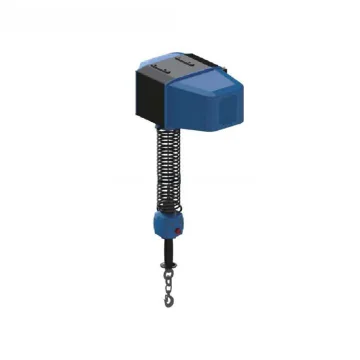
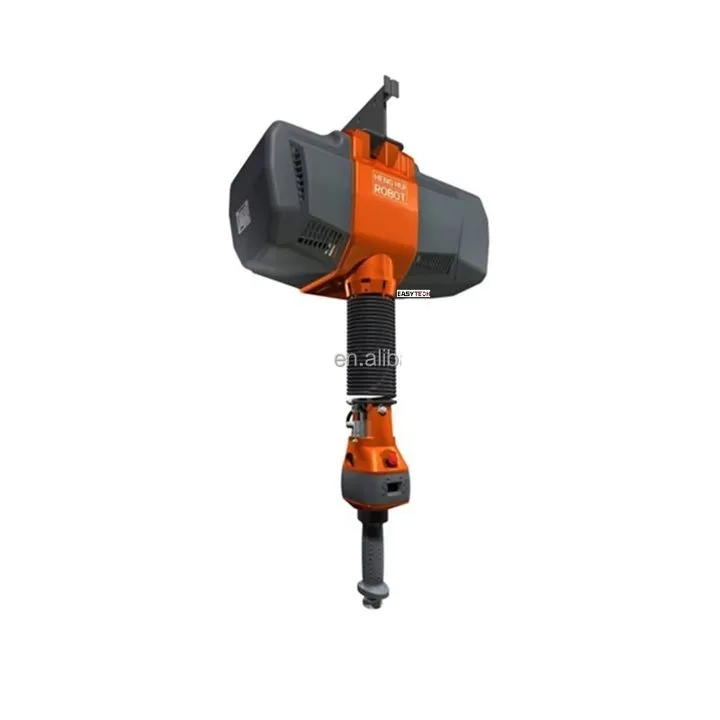
If positioning tolerance, cycle frequency or a duty requirement is important, state it in the enquiry and agree how it is assessed. The Easytech range contains distinct electric-hoist and intelligent-lifting configurations; features cannot be transferred between them because they share a nominal load.
Complete the station scope
- Device model and documented control functions.
- Tool weight, grip method and workpiece range.
- Usable lift, suspension position and support structure.
- Power supply and installation interface.
- Acceptance task, operating documents and spare-part identification.
Easytech control groups in one comparison
Group example | Function | What it does not establish |
|---|---|---|
300 kg; float assistance throughout the travel. | A universal accuracy or cycle rate. | |
300 kg; assisted float mode. | Identical control behavior to every other float device. | |
250 kg; up/down lifting without float mode. | A load-balancing placement function. |
If a fixture requires careful insertion, demonstrate that insertion with the intended load and tool. Separate ease of vertical lifting from the ability to control orientation and final contact. The quoted support, controls and tool should match the demonstration configuration.
Continue your equipment review
Intelligent lifting equipment · Manipulator comparison · Production workstation planning
Questions for this equipment decision
What affects a balancer or hoist quotation?
Payload, stroke, controls, handle, tooling and installation scope affect the quotation.
What is the difference between float mode, lift assist and an ordinary electric hoist?
Powered up/down lifting, assisted positioning and float mode are different functions. Float mode allows a particular form of guided load positioning only where that function is specified. Compare the controls and operating modes of the actual model; do not infer float capability from the term intelligent lifting.
How do tool weight, stroke and cycle rate affect balancer selection?
Include the gripper or tooling weight as well as the workpiece. State the required vertical travel, working positions, movements and cycle frequency. Review load, stroke, speed and duty together for one configuration. Combining the largest values from different models can describe a machine that is not available.
What pendant, handle and power details must be specified?
Specify the electrical supply, operating position, handle or pendant arrangement, suspension point and headroom. Show the movement envelope and cable routing. Confirm the controls, interfaces and utilities for the quoted model before planning the installation.
Which wear parts and inspection records are needed for a lifting balancer?
Identify the lifting medium and drive before planning inspection: wire rope, chain, brakes and control components have different requirements. Keep the equipment identification, checks, defects and service actions in the maintenance record. Use the model instructions for intervals and discard criteria, and order matching parts.