
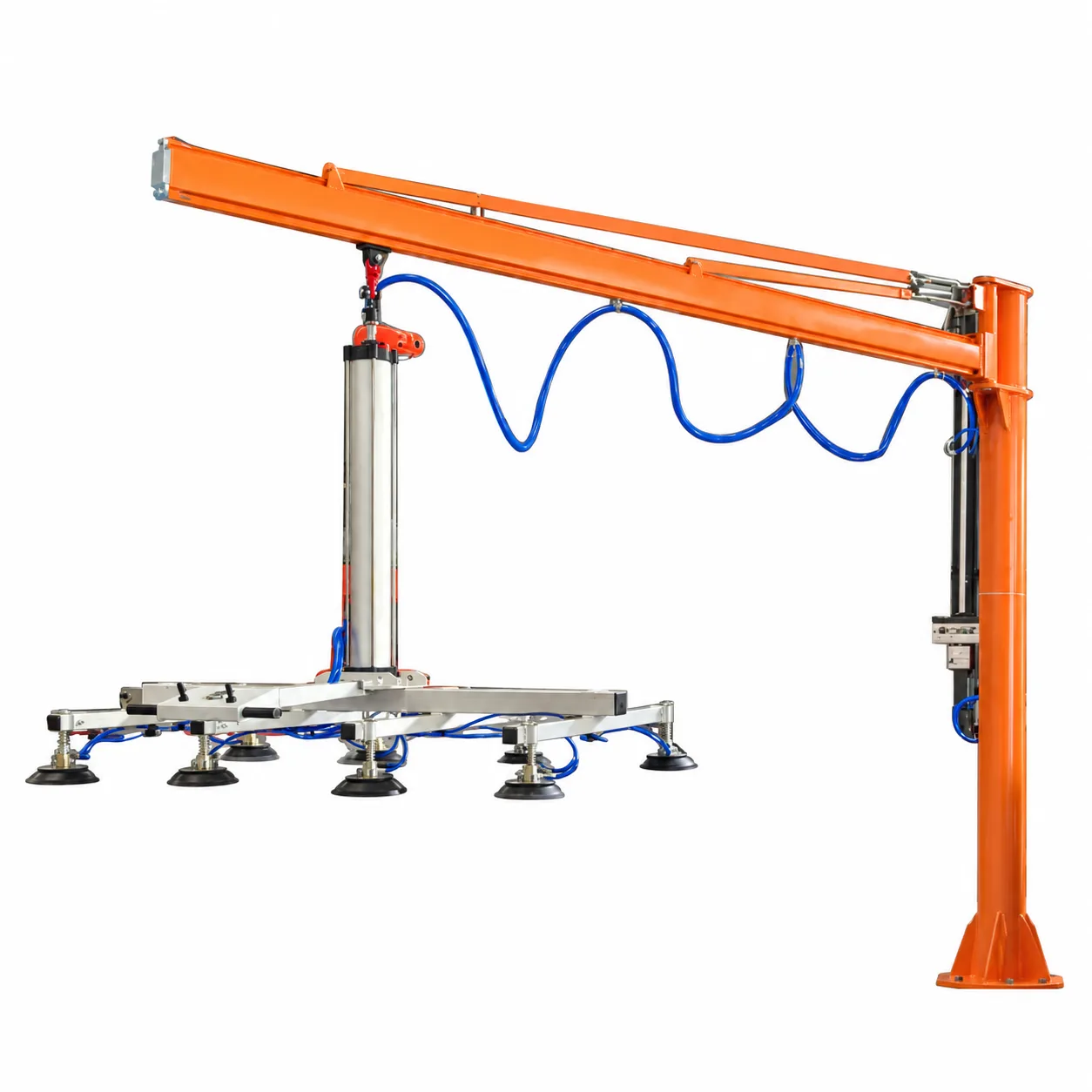
Identify the complete installed assembly
Record the crane model and identification, approved mounting, hoist/trolley and lifting attachment. Keep the applicable instructions and installation documents with that configuration. A replacement tool or altered installation may need a revised assessment.
Record | Information to capture |
|---|---|
Routine pre-use observations | Date, equipment identity, prescribed checks, observed condition and operator. |
Defect report | Location, symptom, photographs where safe, operating conditions and action taken. |
Maintenance record | Specified work, parts, responsible person and return-to-service checks. |
Periodic examination | Applicable examination scheme/requirements, competent person, report and follow-up. |
Configuration change | Changed equipment, design review, revised documents and accepted limits. |
Use the model instructions for checks and limits
The checklist must cover the items specified for the installed equipment. Typical record headings can identify the support, fasteners/connections, travel or slewing components, hoist, controls and end tool, but this page does not prescribe a universal test method or acceptance value.
Do not operate equipment that cannot meet its prescribed conditions. Follow the equipment instructions to make the system safe, identify the defect and agree the appropriate inspection or service action before return to use.
Match examination requirements to the jurisdiction
For work equipment in Great Britain, HSE explains that LOLER addresses suitable lifting equipment, planned lifting operations and thorough examination in specified circumstances. It is not interchangeable with routine servicing. Determine the requirements for the actual equipment and site; an online generic annual interval is not a worldwide rule.
Official UK reference: HSE LOLER overview
Prepare a support request
Include equipment identity, configuration, defect description, readings/alarms, relevant maintenance and photographs taken without exposing anyone to a suspended load. Request the applicable instructions or records when these are unavailable.
Use a record with an action and closure field
Field | Purpose |
|---|---|
Equipment identity and date | Ties the observation to the installed assembly. |
Instruction / check reference | Identifies the prescribed procedure and acceptance basis. |
Observation | Records what was seen or measured without replacing the procedure. |
Immediate action | Records isolation, restriction or other prescribed response. |
Responsible person and follow-up | Assigns the inspection or service action. |
Return-to-service evidence | Records the required checks and authorization before use resumes. |
An unchecked list of parts is not a completed inspection record. Keep the observation and its outcome together, particularly after changing a hoist, end tool or mounting. A periodic examination report also does not remove the need to carry out routine checks and maintenance specified for the equipment.
Identify the installed structure and lifting device
Technical support · Jib crane installation planning · Model PDF downloads